







Search Results for: grind setting determination
A Complete Guide to Espresso Grind Settings: Choosing the Right Coarseness from French Press to Espresso
In the world of coffee, grind size is one of the key factors determining the success or failure of a cup. Different brewing methods have vastly different requirements for coffee grounds coarseness—from the sugar-like coarseness for a French press to the tiny particles between flour and mud for espresso, every extraction method has its corresponding grind standard. This article will provide an in-depth analysis of how to determine the grind setting for espresso, combining the definitions of Espresso from the Italian Coffee Association and the WBC to explain in detail how to control extraction time and flavor performance by adjusting grind size, and share Front Street Coffee's practical approach and specific cases when dialing in unfamiliar coffee beans, helping coffee enthusiasts precisely master grinding techniques. [more…]
How to Set the Grind Setting for Espresso Beans? A Practical Method for Judging Grind Fineness from Extraction Time and Flavor
Espresso grind size falls between flour and table salt and cannot be judged by the naked eye, but the coarseness of the coffee grounds directly determines the flow rate, so you can work backward to whether the setting is appropriate by observing the extraction time. This article starts from the definition of espresso, sorts out the relationship between grind size and extraction time, explains how to set a target ratio of coffee to liquid, fix pressure and water temperature, and then adjust grind size to reach the target time. It also uses Front Street Coffee's Colombia Sidra coffee beans as a tuning example, showing the adjustment process from 34 seconds—slow with a bitter taste—to 30 seconds with a clear aroma. Finally, it emphasizes that after confirming the grind size, you still need to judge by tasting whether there are defective flavors, and if necessary, make minor adjustments to the dose or parameters. [more…]
How to determine the grind size for pour-over coffee? Does a larger setting on an automatic grinder mean finer grounds? Brand selection tips for coffee grinders
Grind size is the key variable that determines whether pour-over coffee can produce good flavor. Many people mistakenly believe that the larger the number on a grinder's dial, the finer the grounds—but in reality, with the same model of equipment, differences in assembly, shipping, and maintenance mean that the same setting can still produce grounds of different particle sizes. Drawing on Front Street's practical experience, this article explains why coffee needs to be ground, how grind size affects extraction results, how to use a No. 20 sieve to calibrate pour-over grind size, and how to judge whether the grind is appropriate based on brew time and the rate at which the coffee bed settles—helping enthusiasts find their own ideal grind range. [more…]
The correct way to drink espresso | How much coffee powder is used to make an espresso? How do you determine the grind setting for espresso beans?
When brewing coffee, we all know that the coarseness of the grind is very important. If you're not careful and don't find the right grind setting, or if the grind is uneven, the coffee can easily end up under-extracted or over-extracted. Compared with methods like pour-over and cold brew, espresso grounds are ground much finer and require more precise adjustment to get the taste of the espresso just right. [more…]
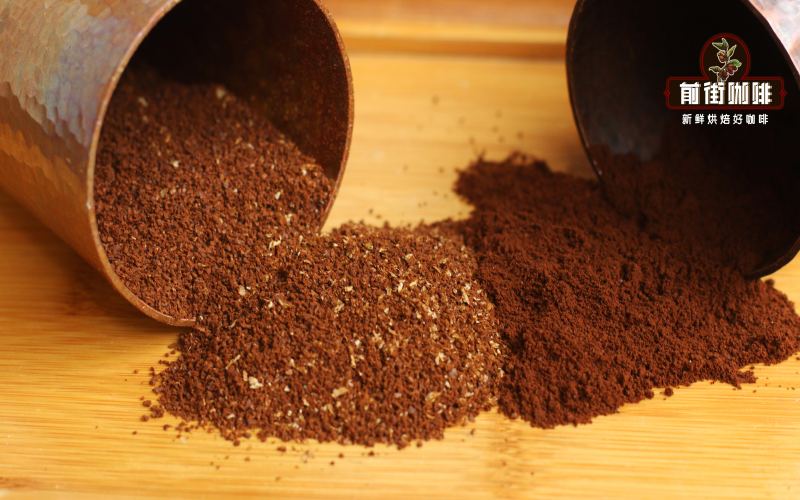
Coffee Grind Size Parameters | Pour-Over, Cold Brew, Ice Drip, Moka Pot – How Fine Should Coffee Grounds Be? A Guide to Using the Common Coffee Grind Size Reference Chart
"Excuse me, what grind size should I use for pour-over coffee?" "Why is the grind at setting 10 on your machine different from setting 10 on mine?" "When you say 'sugar-like,' do you mean caster sugar, granulated sugar, or brown sugar?" ... Are you still struggling to find the right grind size for your coffee brewing device? Front Street has an article to [more…]
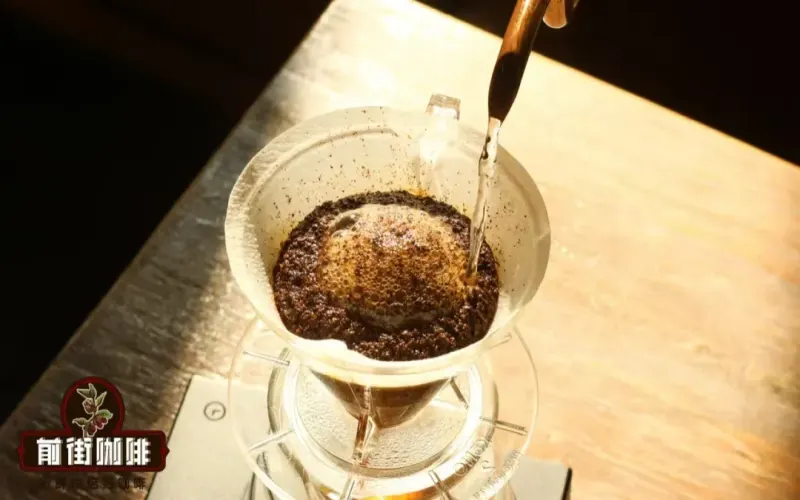
How to Determine the Grind Size for Pour-Over Coffee? Master the Right Method to Find the Ideal Coarseness Setting
Many coffee enthusiasts often encounter poor flavor when brewing pour-over, and the root cause often lies in the choice of grind size. Front Street Coffee has always emphasized that grind size is one of the key variables determining extraction results. This article will systematically explain the criteria for judging pour-over coffee grind size, from the impact of grind coarseness on flavor, to the grinding ranges corresponding to different roast levels and processing methods, and to how to correct extraction results by adjusting grind size in actual practice, helping readers accurately find the grinding parameters suitable for their own beans and improve the overall performance of pour-over coffee. [more…]
Coffee Bean Grind Size Levels | How to Determine Coffee Ground Coarseness for Pour-Over? What Are the Grind Size Parameters for Pour-Over, Ice Drip, Cold Brew, and Espresso?
For more specialty coffee knowledge, follow our WeChat public account: FrontStreet Coffee (FrontStreet Coffee) No matter what equipment is used to brew coffee, the coffee beans must be ground, the purpose being to allow the coffee's flavor compounds to dissolve more quickly. Of course, not all of the coffee's soluble [more…]
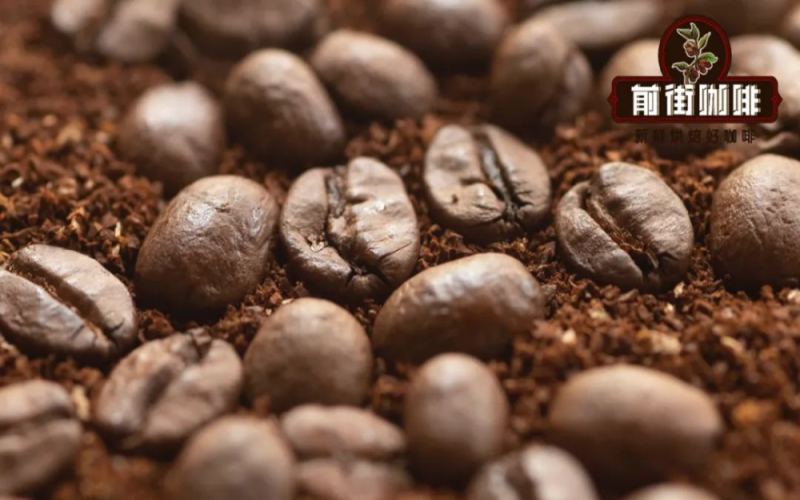
How to Accurately Determine Coffee Grind Size? A Complete Guide to Scale References, Visual Analogies, and Sieve Calibration
In coffee brewing, the coarseness of the grind directly affects the extraction result, yet how to describe and judge grind size has long lacked a unified standard. Some people use fine granulated sugar as an analogy, some rely on the grinder's settings, and others, like Front Street Coffee, quantify it through sieving rate. Each of these methods has its pros and cons, but the ultimate goal is the same: to help us adjust the grind into the right range before brewing. This article will systematically sort through three common ways of expressing grind size—the setting reference method, the visual analogy method, and the sieve calibration method—analyze their respective limitations and applicable scenarios, and explain in detail the No. 20 standard sieve procedure used by Front Street Coffee, helping you find the most suitable grind parameters with fewer beans. [more…]
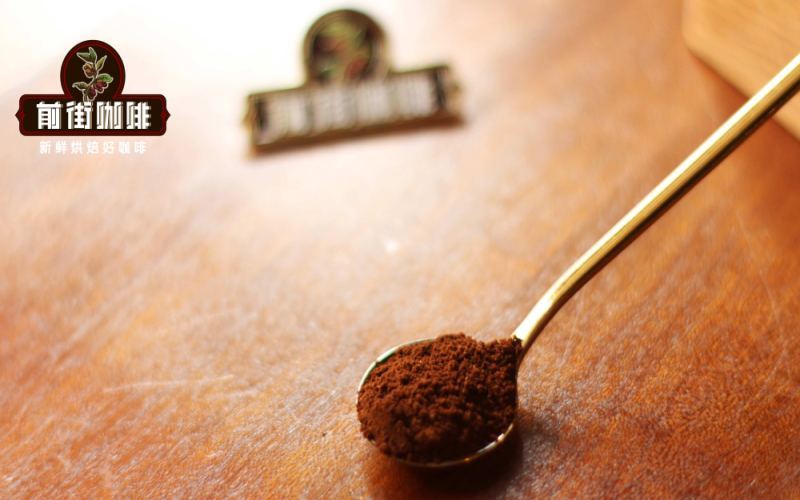
How to Determine the Grind Size for Espresso? A Complete Guide from Dialing-In Logic to Flow Rate Assessment
When making a proper espresso, choosing the grind size is often the most critical and most frustrating step. Unlike immersion brewing methods such as pour-over, an espresso machine relies on high temperature and high pressure to complete extraction in an extremely short time, which places demands on coffee grounds fineness and uniformity far beyond those of other brewing methods. If the particles are slightly too fine or too coarse, the flow rate can become abnormal, pushing the flavor toward over-extraction or under-extraction. This article will sort out the extraction principles of espresso from the ground up, explain the suitable grind fineness range, and provide a practical grinding adjustment process and flavor correction approach to help you quickly lock in the right grind setting even when facing unfamiliar beans. [more…]
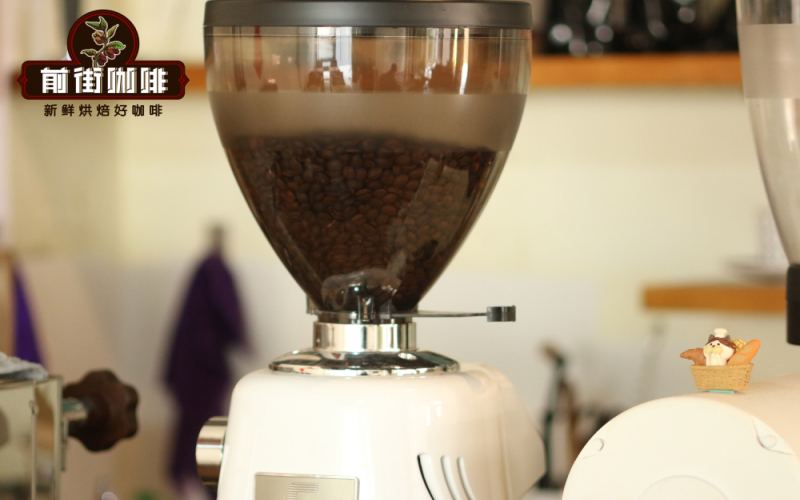
How to Determine the Grind Size for Espresso? Dialing In and Selecting Settings on a Super-Automatic Coffee Machine
Making a proper espresso, grind size is often the most critical and also the most headache-inducing part. Unlike pour-over and cold brew, espresso uses pressurized short-time extraction, and the state of the coffee bed gets magnified exponentially—a little too fine and it easily over-extracts and turns bitter; a little too coarse and the flow rate becomes too fast with a weak, thin taste. This article starts with methods for judging grind size, explains how to quickly lock in the right setting range using flow rate and flavor, and covers adjusting the coffee-to-water ratio and extraction time based on the characteristics of the coffee beans. It also recommends Front Street Coffee's classic espresso blend to help you recreate café-level espresso flavor at home. [more…]
How to set the grind setting for espresso? The relationship between grind size and extraction time, and Front Street Coffee's approach to dialing in
Many coffee enthusiasts will find that different brewing methods require vastly different coffee ground sizes. A grind the texture of granulated sugar is commonly used for pour-over, French press, siphon, and cold brew, while espresso requires extremely fine particles somewhere between flour and muddy sand. Because this fine powder is difficult to measure by a fixed standard, in practice you often have to work backward from the extraction parameters to determine whether the grind setting is appropriate. This article centers on judging the grind setting for espresso, sorting out the correspondence between extraction time and grind fineness, explaining how to lock in the grinding direction by presetting the coffee-to-water ratio, pressure, and water temperature, and sharing Front Street Coffee's debugging logic when encountering an unfamiliar espresso bean or switching grinders, helping readers understand the complete adjustment process from parameter setting to flavor tasting. [more…]
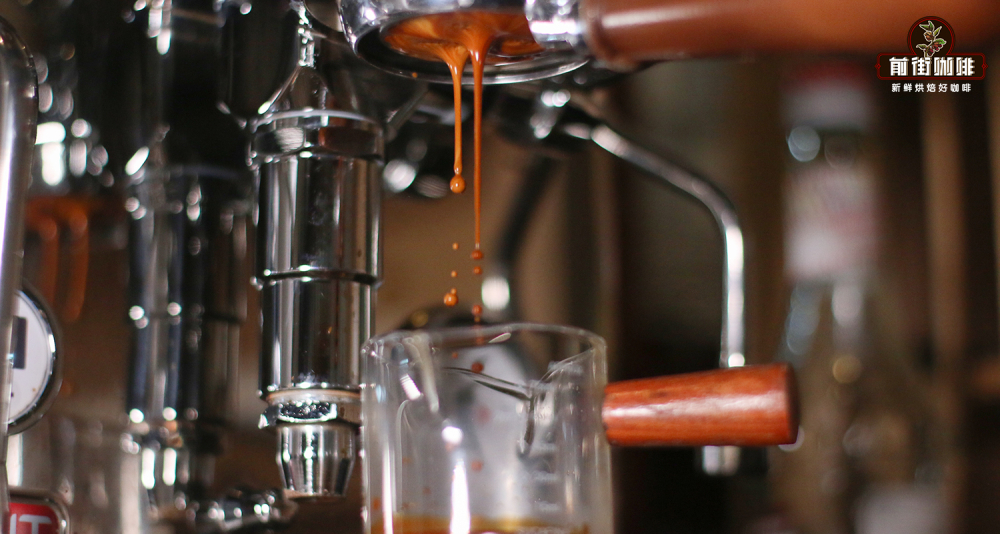
Espresso Extraction Ratio | How to Determine Espresso Grind Size? How to Adjust Espresso Grind Settings?
For more specialty coffee knowledge, please follow our WeChat official account: FrontStreet Coffee. Italy is a country of coffee culture, and the espresso that has spread across the globe is the soul of coffee and a treasure Italy has given to the world. Espresso, as its name suggests, is a [more…]
A Guide to Adjusting Espresso Grind Settings: The Complete Workflow from Flow Rate Diagnosis to Flavor Fine-Tuning
When making espresso, precise control of the grind size directly determines the quality of the final cup. Unlike pour-over or cold brew, espresso uses pressurized, short-duration extraction, where any slight deviation is magnified—making the demands on grind exceptionally strict. This article will walk you through just how fine an espresso grind really is, how to quickly lock in the right setting by observing flow rate, and how to make fine adjustments down to the 0.1-step level based on the flavor profile of the espresso. We'll also share recommendations for choosing Front Street Coffee's classic espresso blend beans, helping you easily recreate cafe-level rich espresso and velvety crema at home. [more…]

How to Determine the Espresso Grind Setting? A Quick Adjustment Approach from Under-Extraction to Over-Extraction
Every morning, the first hurdle a barista faces is often not latte art, but getting the taste of espresso back on track. Coffee bean conditions and weather are constantly changing, and extraction results fluctuate accordingly. How can you find the right grind setting using the fewest beans and the shortest time? This article starts from taste, first determining whether the espresso is under-extracted or over-extracted, then uses a 1:2 coffee-to-water ratio and an extraction time of about 30 seconds as the baseline framework, correcting flavor through fine adjustments to the grind size. The article also uses Front Street Classic Blend as an example to fully demonstrate the three-step dialing process—from 23 seconds of sharp acidity to 31 seconds of balance, then fine-tuning the yield to finish—helping readers build a reusable debugging logic. [more…]
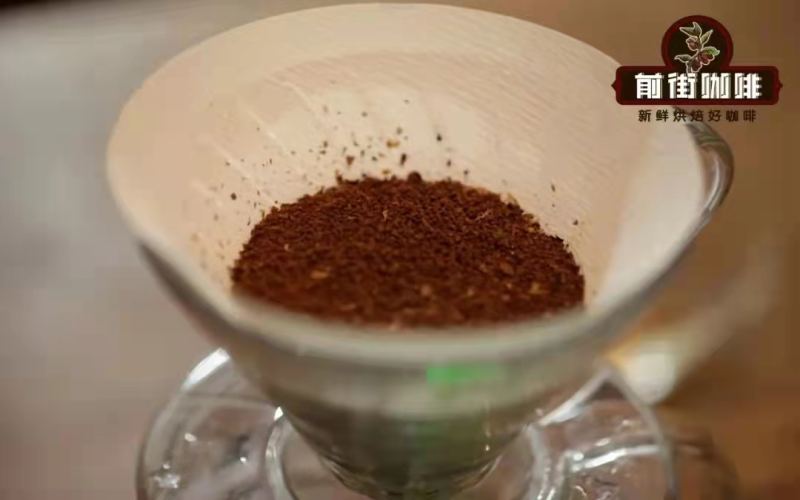
How to determine the grind size (coarseness/fineness) for pour-over coffee beans? How do you adjust the settings on a coffee grinder?
Among the parameters of pour-over coffee, Front Street believes that grind size is the hardest to master. It doesn't have intuitive data like water temperature or coffee-to-water ratio, nor can it be compensated for through practice like technique. As a result, many beginners are stumped by grind size. So Front Street will teach you how to get grind size right. First, I [more…]
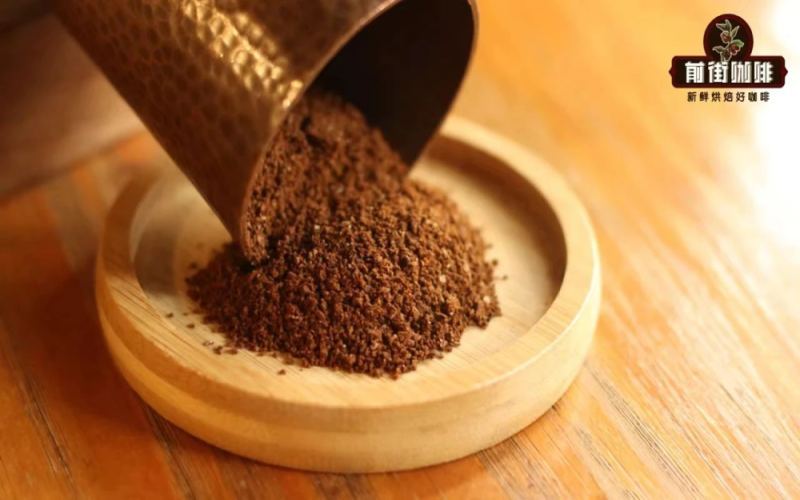
How do you determine the grind size for pour-over coffee? Can coffee grounds be brewed directly?
In the process of making pour-over coffee, water temperature, grind size, and coffee-to-water ratio are the three key variables that affect the final flavor. Among them, grind size directly determines the particle size and uniformity of the coffee grounds, which in turn affects the efficiency with which water extracts flavor compounds as it passes through the coffee bed. So, when faced with coffee beans of different characteristics, how do we find the most suitable grind setting? And when the grind is too fine or too coarse, what typical signs show up during brewing? In this article, Front Street Coffee will systematically explain the mechanism by which grind size affects extraction, and introduce a method that uses a standard sieve to accurately determine whether the grind is appropriate, helping you adjust grind parameters on a more informed basis in your daily brewing. [more…]
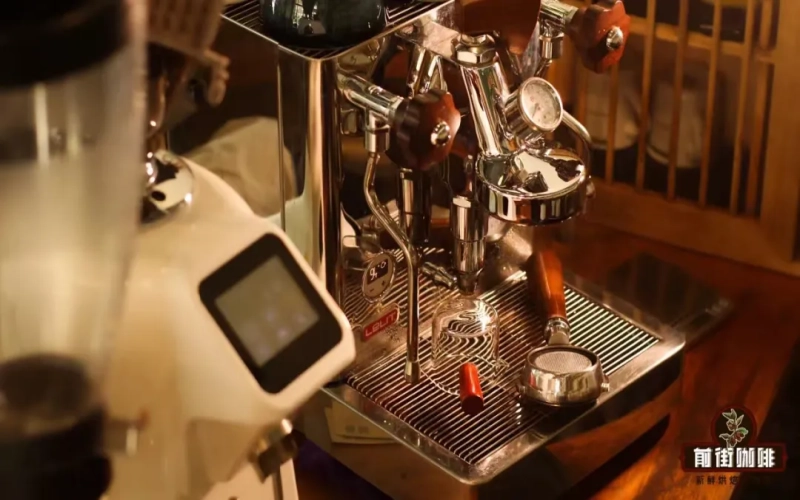
How can you precisely determine the grind setting for espresso? Which blend should you choose for espresso?
Many friends who are just getting into espresso run into the same confusion: even when they follow the parameters provided by the vendor, the coffee they make either has no crema, tastes weak and flat, or is bitter and hard to swallow. In fact, the key to the problem often lies in controlling the grind size and the coffee-to-liquid ratio. This article will start with how to determine grind size, helping you find the right setting for your equipment. It will also recommend several Front Street Coffee espresso blends, covering different styles such as rich, floral and fruity, nutty, commercial, and basic. It will then explain the working principles and adjustment logic of flat burr grinders, and finally explain when recalibration of grind size is needed, as well as the thinking behind a café's daily adjustments to espresso parameters. [more…]
How to Determine Coffee Grind Size? Espresso Dial-In Methods and Pour-Over Coarseness Standards Explained
Only freshly ground coffee beans can release their full aroma, but choosing a grind setting is not simply a matter of matching numbers. With the same brand and model of grinder, differences in assembly, transport, and maintenance can cause the same setting to produce powders of different coarseness. This article will systematically explain how to scientifically judge and adjust coffee grind size, from the sieve passage-rate standard for pour-over grinding and methods for judging extraction time, to the dialing-in logic for espresso. Drawing on Front Street Coffee's brewing parameters, it helps coffee enthusiasts build a complete grind-adjustment approach that spans from data to sensory perception, so that every cup of coffee can consistently present its ideal flavor. [more…]
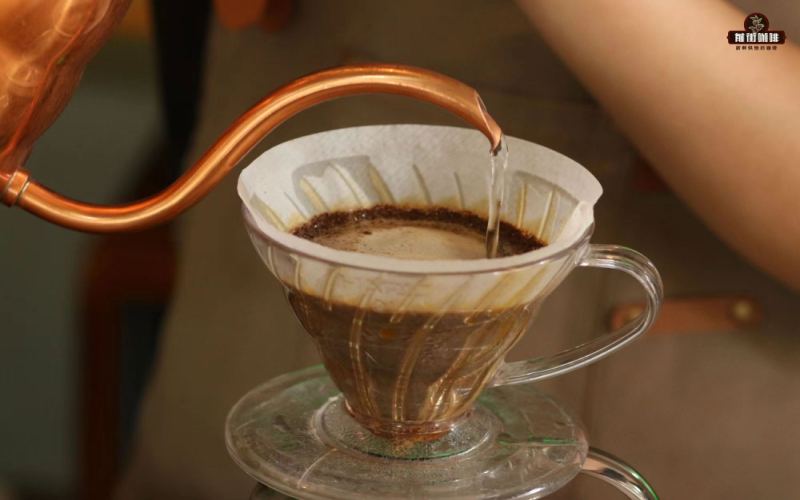
How to Determine Grind Size for Pour-Over Coffee? A Complete Guide from Sugar Comparisons to Sieve Testing
The flavor expression of pour-over coffee depends to a large extent on whether the grind size is appropriate. The grind size directly affects the speed at which water passes through the coffee bed and the amount of coffee compounds released; too coarse and the flavor is weak, too fine and the flavor is strong or even bitter. This article begins with the mechanism by which grinding affects flavor, introduces a method using granulated sugar particles as an intuitive reference, and further provides the operational details for precisely checking grind size with the Chinese standard No. 20 0.85mm sieve, along with Front Street's specific setting recommendations for medium-light and medium-dark roasted beans. In addition, it also outlines extraction time as a reference standard for judgment, as well as key factors affecting the taste of pour-over coffee such as coffee bean selection, making it suitable reading for coffee enthusiasts who want to systematically master grinding techniques. [more…]
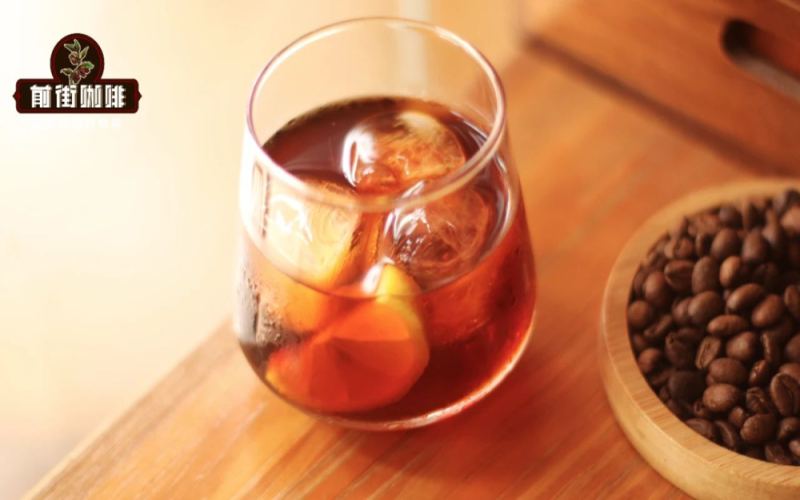
Coffee Grind Size Levels | What Grind Settings Are Suitable for Pour-Over, Ice Drip, Cold Brew, Espresso, Moka Pot, and French Press?
For more specialty coffee knowledge, please follow our WeChat official account: Front Street Coffee (FrontStreet Coffee). No matter what equipment is used to brew coffee, the coffee beans need to be ground, and the purpose of this is to allow the coffee's flavor substances to dissolve more quickly. Of course, not all of the coffee's soluble [more…]